
中文(Chinese)
当前语言:中文
Understanding Marine Gyro Stabilizers: Enhancing Stability and Comfort on the Water
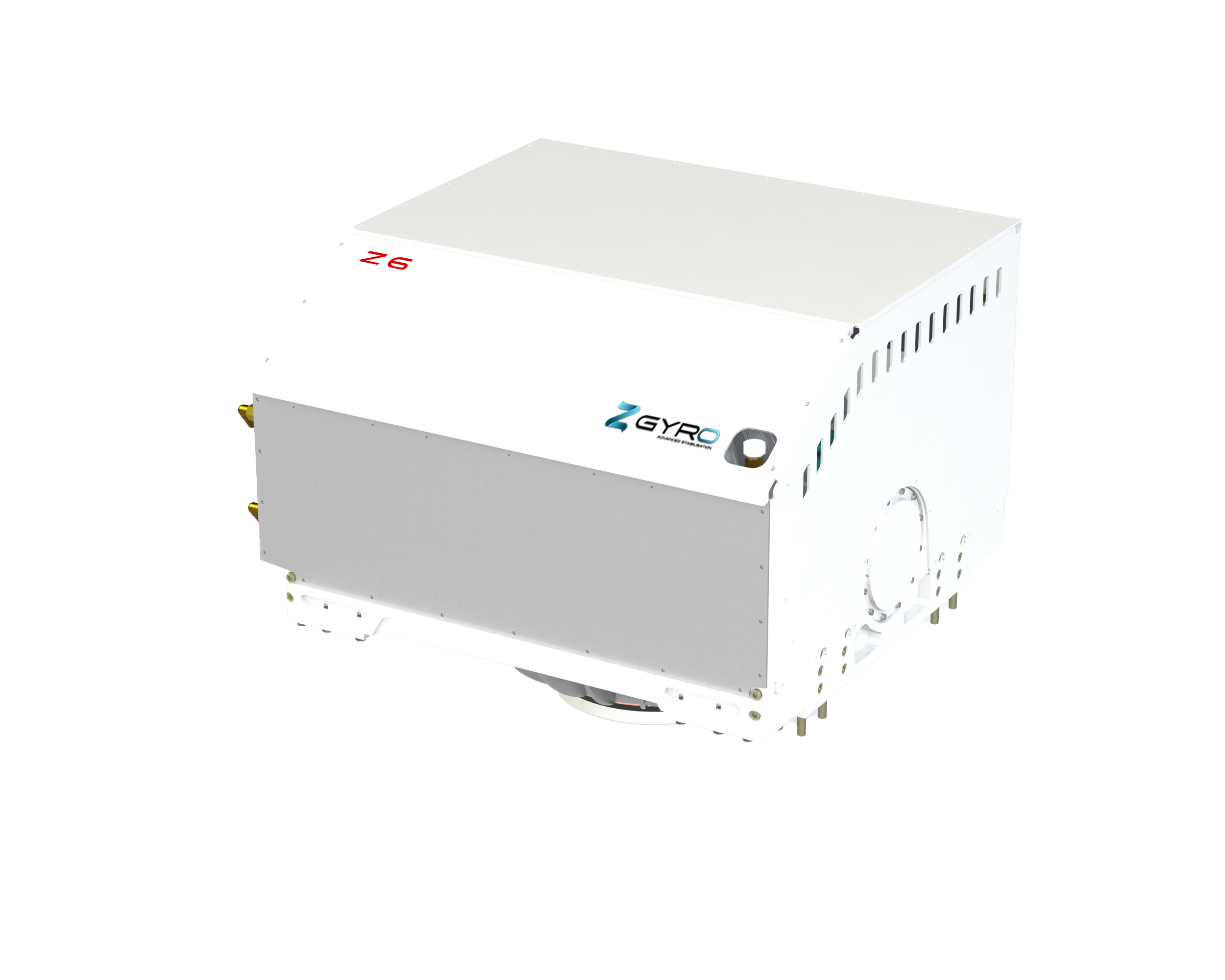
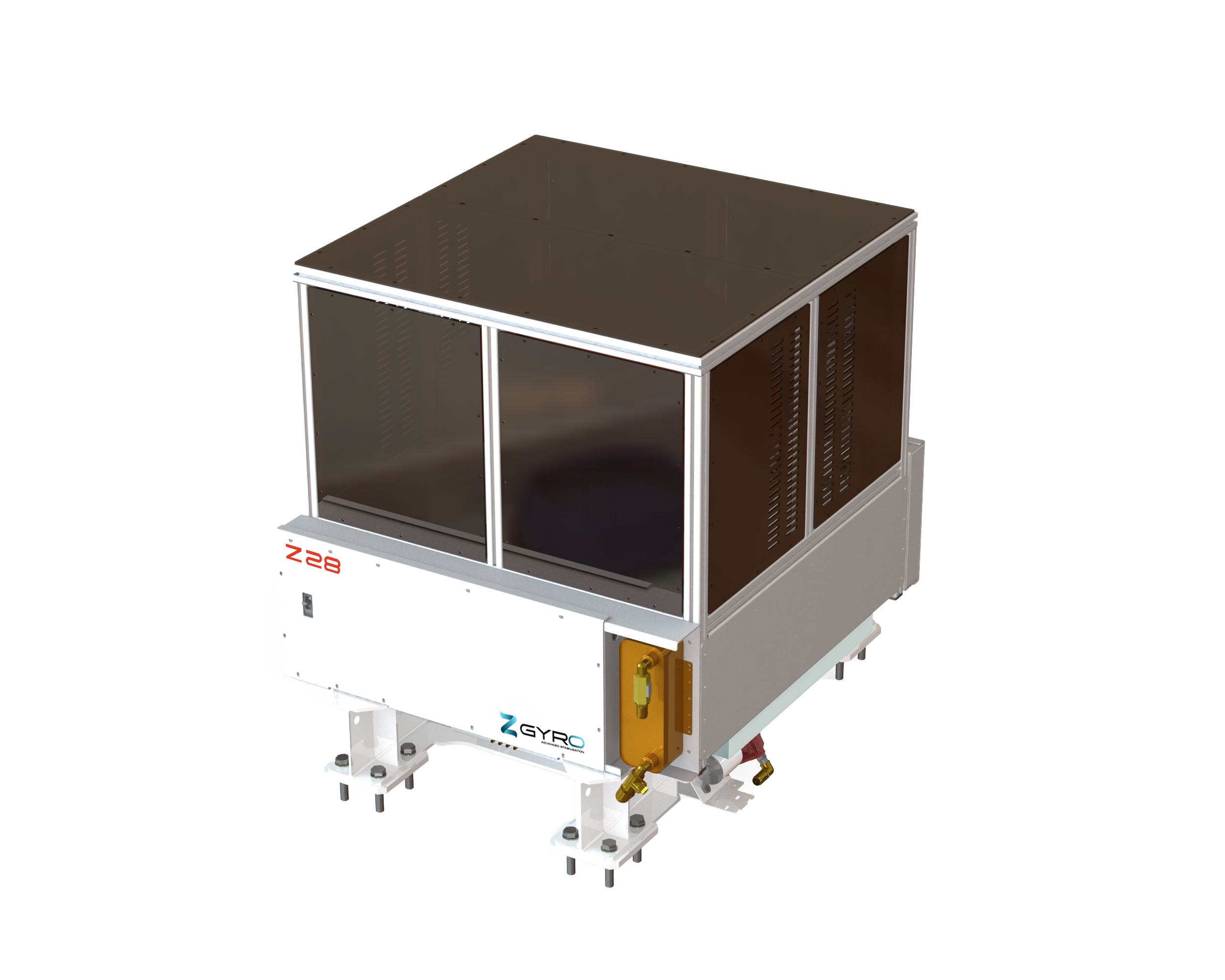
Marine gyro stabilizers are specialized devices designed to reduce the rolling motion of a vessel caused by waves and sea conditions. By utilizing the principles of gyroscopic inertia, these stabilizers effectively counteract the forces that cause a ship to roll, making them invaluable for various types of vessels, from luxury yachts to commercial ships.
One of the primary advantages of marine gyro stabilizers is their ability to enhance onboard comfort. For passengers, especially on long journeys, excessive rolling can lead to seasickness and discomfort. By stabilizing the vessel, these devices create a more enjoyable environment, allowing passengers to relax and enjoy the voyage. Additionally, crew members can operate more efficiently without the distractions of a rolling ship, improving overall safety and productivity.
The technology behind marine gyro stabilizers involves a spinning rotor mounted on gimbals. As the rotor spins, it generates a gyroscopic force that resists changes in orientation. When the vessel begins to roll, the stabilizer automatically adjusts its position to counteract this movement, effectively stabilizing the ship. This automatic adjustment is crucial, as it allows the stabilizer to respond in real-time to changing sea conditions.
Another important consideration is the energy efficiency of marine gyro stabilizers. Unlike traditional stabilization systems that require significant power to operate, modern gyro stabilizers are designed to be energy-efficient, which is a vital factor for many operators looking to reduce fuel consumption and operational costs. By minimizing the energy required for stabilization, these devices contribute to more sustainable marine operations.
Marine gyro stabilizers are also versatile in their applications. They can be installed in various types of vessels, including fishing boats, cargo ships, and passenger ferries. This adaptability makes them a popular choice among shipbuilders and owners looking to enhance vessel performance and passenger experience.
In conclusion, marine gyro stabilizers play a crucial role in the maritime industry by enhancing vessel stability and passenger comfort. Their innovative technology, energy efficiency, and versatility make them a wise investment for any operator looking to improve their vessel’s performance in challenging sea conditions. As the industry continues to evolve, the importance of such advanced stabilization systems will undoubtedly grow, paving the way for safer and more enjoyable maritime travel.
One of the primary advantages of marine gyro stabilizers is their ability to enhance onboard comfort. For passengers, especially on long journeys, excessive rolling can lead to seasickness and discomfort. By stabilizing the vessel, these devices create a more enjoyable environment, allowing passengers to relax and enjoy the voyage. Additionally, crew members can operate more efficiently without the distractions of a rolling ship, improving overall safety and productivity.
The technology behind marine gyro stabilizers involves a spinning rotor mounted on gimbals. As the rotor spins, it generates a gyroscopic force that resists changes in orientation. When the vessel begins to roll, the stabilizer automatically adjusts its position to counteract this movement, effectively stabilizing the ship. This automatic adjustment is crucial, as it allows the stabilizer to respond in real-time to changing sea conditions.
Another important consideration is the energy efficiency of marine gyro stabilizers. Unlike traditional stabilization systems that require significant power to operate, modern gyro stabilizers are designed to be energy-efficient, which is a vital factor for many operators looking to reduce fuel consumption and operational costs. By minimizing the energy required for stabilization, these devices contribute to more sustainable marine operations.
Marine gyro stabilizers are also versatile in their applications. They can be installed in various types of vessels, including fishing boats, cargo ships, and passenger ferries. This adaptability makes them a popular choice among shipbuilders and owners looking to enhance vessel performance and passenger experience.
In conclusion, marine gyro stabilizers play a crucial role in the maritime industry by enhancing vessel stability and passenger comfort. Their innovative technology, energy efficiency, and versatility make them a wise investment for any operator looking to improve their vessel’s performance in challenging sea conditions. As the industry continues to evolve, the importance of such advanced stabilization systems will undoubtedly grow, paving the way for safer and more enjoyable maritime travel.
marine gyro stabilizer
Related News

Professional
Provide customers with professional services


