
What Makes Small Boat Gyro Stabilizers a Must-Have for Sailors?
What Makes Small Boat Gyro Stabilizers a Must-Have for Sailors?
Table of Contents
- Introduction to Gyro Stabilizers
- Understanding Gyro Stabilizers
- Key Benefits of Gyro Stabilizers for Small Boats
- How Do Gyro Stabilizers Work?
- Types of Gyro Stabilizers for Sailboats
- Installation and Maintenance of Gyro Stabilizers
- Choosing the Right Gyro Stabilizer for Your Needs
- Frequently Asked Questions
- Conclusion
Introduction to Gyro Stabilizers
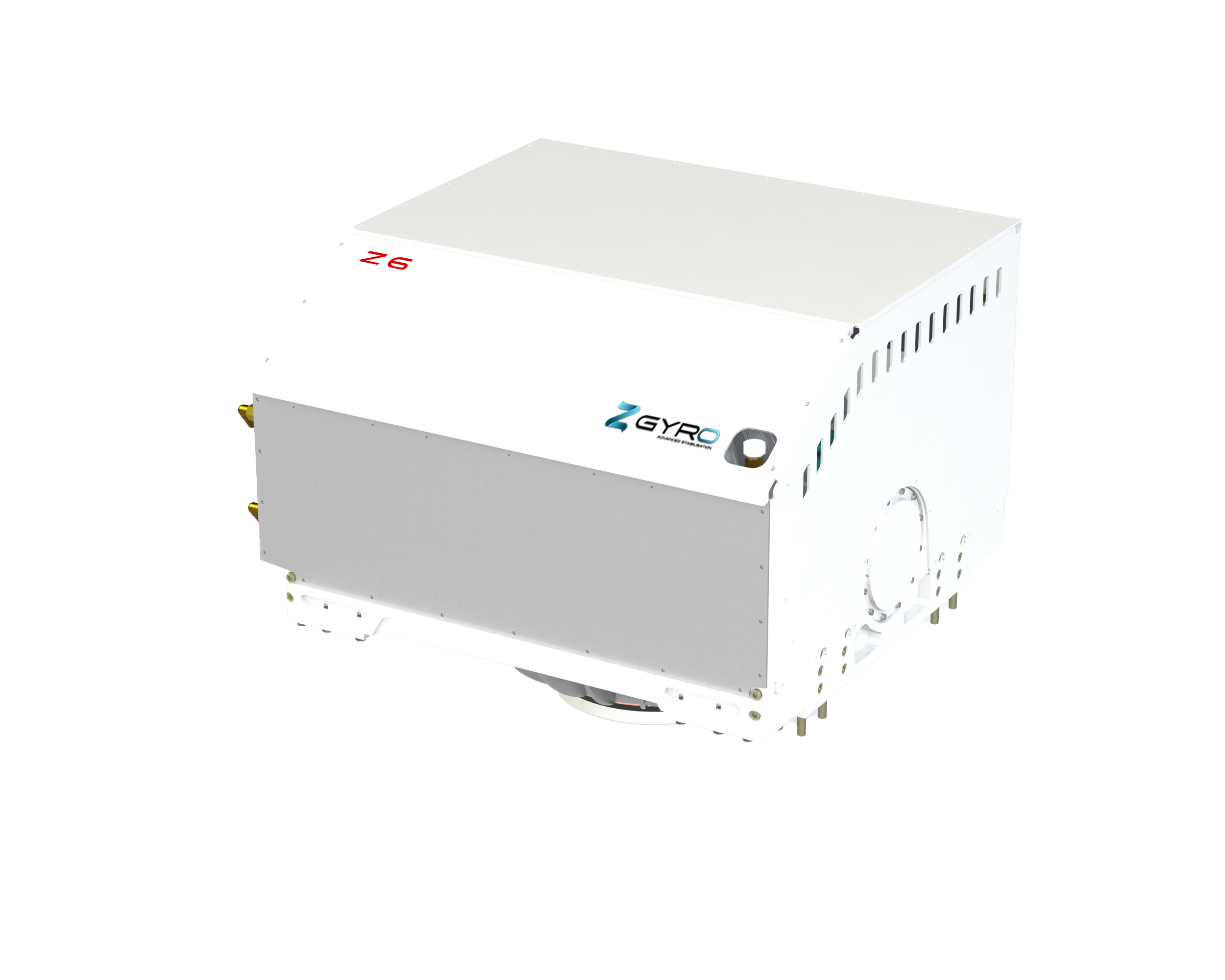
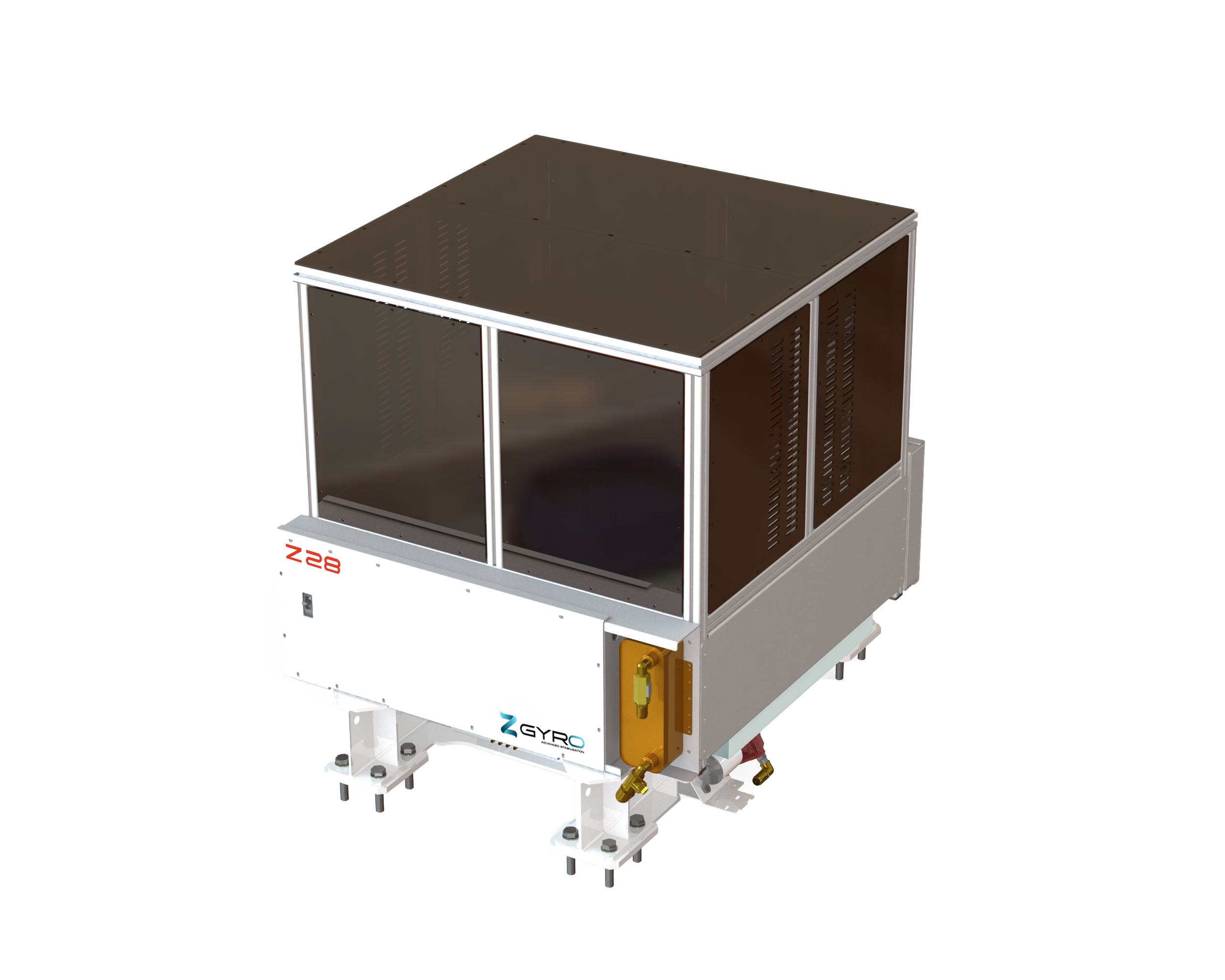
In the world of sailing, stability is paramount. Whether navigating through calm waters or braving choppy waves, every sailor desires a smooth and enjoyable experience. This is where **small boat gyro stabilizers** come into play. These advanced devices are revolutionizing how sailors experience stability and comfort on the water. In this article, we will explore the essential features and benefits of gyro stabilizers, how they work, and why they are a must-have for any sailor.
Understanding Gyro Stabilizers
Gyro stabilizers are innovative devices designed to counteract the rolling motion of a boat. They utilize gyroscopic principles to maintain stability, making them an invaluable tool for any sailor. As boats encounter waves and wind, they tend to roll and pitch, which can lead to discomfort and safety concerns. Gyro stabilizers address this issue by providing a counteracting force, stabilizing the vessel and ensuring a smoother ride.
Key Benefits of Gyro Stabilizers for Small Boats
Gyro stabilizers offer numerous advantages for sailors, making them an essential addition to small boats. Here are some of the most significant benefits:
Enhanced Stability at Sea
One of the primary functions of gyro stabilizers is to enhance a boat's stability. By counteracting the forces that cause rolling, these devices allow sailors to maintain a more level vessel even in rough conditions. This stability is particularly beneficial during long voyages, where constant rolling can lead to fatigue and discomfort.
Reduced Rolling Motion
With gyro stabilizers, sailors can significantly reduce rolling motion caused by waves. This reduction not only contributes to a more pleasant sailing experience but also helps protect equipment and gear onboard. When a boat rolls less, there is also less risk of items shifting or falling over, which can be a major concern for sailors.
Improved Comfort for Passengers
Comfort is crucial when spending extended periods on the water. Gyro stabilizers enhance passenger comfort by minimizing the effects of waves and wind. Passengers can enjoy a smoother ride, which is especially important for families and those who may be prone to seasickness. With reduced rolling, everyone on board can relax and enjoy the journey.
Increased Safety on the Water
Safety is a top priority for sailors. Gyro stabilizers contribute to increased safety by providing a stable platform for maneuvering and operating the vessel. With reduced rolling and enhanced stability, sailors can navigate difficult conditions more effectively, minimizing the risk of accidents. Additionally, a stable boat reduces the likelihood of injuries caused by sudden movements or shifts in weight.
How Do Gyro Stabilizers Work?
Gyro stabilizers operate based on the principles of angular momentum. When the stabilizer's rotor spins at high speed, it generates a gyroscopic effect that resists changes in its orientation. This resistance helps counteract the rolling motion of the boat. The stabilizer's control system continuously monitors the vessel's motion and adjusts the rotor's speed and orientation to maintain stability.
Modern gyro stabilizers are equipped with sophisticated sensors and software that allow for real-time adjustments, ensuring optimal performance in various sea conditions. The technology has advanced significantly, resulting in more efficient, compact, and user-friendly designs that are easy to install and operate.
Types of Gyro Stabilizers for Sailboats
Several types of gyro stabilizers are available for small boats, each designed to cater to different needs and budgets. Here are some common types:
1. Electric Gyro Stabilizers
Electric gyro stabilizers use electric motors to spin the rotor and maintain stability. They are typically quieter and more energy-efficient than traditional hydraulic systems, making them a popular choice among modern sailors.
2. Hydraulic Gyro Stabilizers
Hydraulic gyro stabilizers utilize hydraulic systems to generate and control the stabilizing forces. While they may require more maintenance, they are known for their robust performance and effectiveness in larger vessels.
3. Active Gyro Stabilizers
Active gyro stabilizers are designed to adapt to changing sea conditions dynamically. They utilize advanced sensors and algorithms to adjust the stabilization force in real-time, providing optimal performance regardless of the environment.
Installation and Maintenance of Gyro Stabilizers
Installing a gyro stabilizer requires careful planning and consideration. It is essential to choose the right model based on the boat's size, weight, and intended use. Professional installation is often recommended to ensure proper functioning and performance.
**Maintenance** of gyro stabilizers is generally minimal, but regular checks are essential to ensure that all components are functioning correctly. This includes inspecting the rotor, electrical connections, and hydraulic systems (if applicable). Keeping the stabilizer clean and free from debris will also prolong its lifespan and efficiency.
Choosing the Right Gyro Stabilizer for Your Needs
When selecting a gyro stabilizer, several factors should be considered to ensure you make the best choice for your sailing needs.
1. Boat Size and Weight
The size and weight of your boat play a critical role in determining the appropriate stabilizer model. Heavier boats may require more powerful stabilizers to counteract their mass effectively.
2. Intended Use
Consider how you plan to use your boat. If you frequently sail in rough conditions, investing in a more robust stabilizer may be worthwhile. Conversely, if your sailing is primarily recreational in calmer waters, a less powerful model could suffice.
3. Budget
Gyro stabilizers come in various price ranges, so it's essential to set a budget before shopping. Keep in mind that while higher-end models may offer advanced features, there are also reliable mid-range options that provide excellent performance.
4. Brand Reputation
Research different brands and read customer reviews to gauge their reputation and reliability. Investing in a well-known and trusted brand can provide peace of mind and ensure that you receive a quality product.
Frequently Asked Questions
1. How does a gyro stabilizer compare to other stabilization methods?
Gyro stabilizers are often more effective than traditional passive systems like fins or keels because they actively counteract rolling motion, providing a smoother experience.
2. Can I install a gyro stabilizer myself?
While some skilled sailors may attempt a DIY installation, it is generally recommended to have a professional handle the installation to ensure optimal performance.
3. How much does a gyro stabilizer cost?
Prices can vary widely depending on the type, brand, and features, ranging from a few thousand dollars to tens of thousands for advanced systems.
4. Do gyro stabilizers require a lot of maintenance?
Most gyro stabilizers require minimal maintenance, including occasional inspections and cleaning to ensure optimal functioning.
5. Can a gyro stabilizer improve fuel efficiency?
While not its primary purpose, a gyro stabilizer can help improve fuel efficiency by reducing rolling and allowing the sailboat to maintain a more consistent course.
Conclusion
In conclusion, small boat gyro stabilizers are an invaluable tool for sailors seeking enhanced stability, comfort, and safety on the water. By understanding how they work and the benefits they offer, sailors can make informed decisions about their boating equipment. Whether you are a seasoned sailor or a newcomer to the world of sailing, investing in a gyro stabilizer can significantly elevate your boating experience, allowing you to focus on the joy of sailing rather than the challenges of the sea.
small boat gyro stabilizers
Related News

Professional
Provide customers with professional services


